How Long Does Sod Need Before First Freeze in Rochester MN?
How Long Does Sod Need Before First Freeze in Rochester MN? Timing sod installation correctly in Rochester requires understanding the precise relationship between root establishment and the region's first freeze dates. Install too late, and your investment may fail to survive winter. Install with adequate lead time, and your lawn emerges vigorous and established when spring arrives. For Rochester homeowners working within Zone 4's constraints, knowing exactly how much time sod needs before the first frost separates successful projects from costly disappointments.
Rochester's Freeze Timeline
Rochester's average first fall frost occurs around October 1, with the 50 percent probability date falling near October 6. The growing season typically spans approximately 149 days from the last spring frost around May 5 to this autumn threshold . However, frost dates vary significantly year to year. Early frosts can arrive in late September, while mild autumns may push first freezes well into October.
These dates create a finite window for sod establishment. Cool-season grasses, which dominate Minnesota lawns, grow actively when soil temperatures range between 50 and 65 degrees Fahrenheit. Once soil temperatures consistently drop below 50 degrees, root growth slows dramatically and eventually stops altogether. This soil temperature threshold, rather than air temperature or calendar date, ultimately determines whether sod can establish before winter dormancy.
The Critical Six-Week Rule
For Rochester installations, sod needs a minimum of six weeks before the first expected frost to establish sufficiently for winter survival. This timeframe allows roots to penetrate underlying soil, anchor the sod against frost heave, and store adequate carbohydrates for spring regrowth. Six weeks of active growth creates enough root development that sod can withstand freeze-thaw cycles without lifting or desiccation damage. Applying this rule to Rochester's October 1 average frost date means completing sod installation by mid-August at the latest for optimal establishment. Installations completed by August 15 provide comfortable margin before typical frost arrival, allowing roots to establish deeply and grass to harden off gradually for winter dormancy. However, Rochester's climate offers more flexibility than this minimum suggests. B&B Hoffman Sod, a Minnesota supplier, confirms that sod installation remains viable through October and occasionally into November provided the ground has not frozen . The key distinction lies between optimal timing and acceptable risk. Early fall installations provide ideal conditions, while late fall installations require careful management and accept some survival uncertainty.
What Happens When Sod Installs Late
Sod laid with minimal time before frost enters a race against seasonal change. Without adequate root establishment, several winter risks threaten survival. Frost heave, the upward movement of soil during freeze-thaw cycles, can lift poorly rooted sod, creating air gaps beneath that kill roots through desiccation and cold exposure. Without established roots to anchor the turf, sod pieces may shift, creating visible seams and uneven surfaces that persist into spring.
Winter desiccation poses another significant threat. Unestablished sod lacks the deep root systems necessary to access soil moisture when surface water becomes unavailable due to freezing. Dormant sod still requires some moisture to survive, and shallow roots cannot reach protected water reserves. Dry winter winds and low humidity exacerbate this moisture loss, potentially killing turf that appeared healthy when dormancy began.
Late-installed sod also faces greater vulnerability to winter diseases and pests. Stressed turf has reduced immunity, and pathogens that thrive in cool, wet conditions can establish before dormancy, emerging as visible damage when spring growth resumes. The combination of these factors explains why sod installed too late sometimes fails entirely, requiring replacement the following spring.
Maximizing Success with Late Installation
When circumstances require late-season installation in Rochester, several strategies improve survival odds. The most important factor remains soil temperature. As long as soil stays above 50 degrees Fahrenheit and the ground remains unfrozen, sod can still take root, albeit slowly. Monitoring soil temperature at four-inch depth provides objective guidance about whether installation remains viable.
Water management becomes critical for late installations. New sod requires consistent moisture to establish, but late-season installations must balance this need against the risk of waterlogging as temperatures drop. Water thoroughly after installation and maintain moist soil until the ground freezes naturally. If irrigation systems have been winterized, manual watering with hoses and sprinklers remains necessary. The sod must not enter winter dormancy in dry soil, as this guarantees desiccation damage.
Avoid fertilizing dormant sod. Nitrogen applications stimulate growth that cannot occur in cold soil, wasting nutrients and potentially encouraging fungal issues. Instead, focus on ensuring good soil contact through proper rolling and eliminating air pockets that trap cold air against roots.
For installations occurring after significant root growth has ceased, consider protective measures. Light topdressing with clean straw or specialized turf blankets can insulate sod against extreme temperature swings and reduce desiccation from winter winds. These measures add cost and labor but may mean the difference between survival and replacement for marginal installations.
The Dormant Sod Alternative
Rochester homeowners occasionally encounter situations where sod must be installed after the growing season has ended. Dormant sodding, where brown, non-growing turf is laid on unfrozen ground and left to overwinter, offers a viable alternative when handled correctly.
Dormant sodding succeeds best when using fully dormant sod rather than turf in transition between growth and dormancy. Sod harvested after grasses have completely browned and stopped growing contains maximum stored carbohydrates, providing energy reserves for spring green-up. Installing at least 40 days before the first hard frost allows some root establishment before deep freeze, though this timing often proves impractical in Rochester's climate.
When dormant sodding becomes necessary, site preparation remains essential. Grade properly, till to appropriate depth, and remove debris before laying. Install tightly with staggered seams, roll thoroughly, and water initially even though the sod is not actively growing. The primary goal shifts from encouraging growth to ensuring the sod remains in good condition through winter for spring establishment.
Do not apply nitrogen fertilizer to dormant sod, as the grass cannot utilize nutrients until soil temperatures rise in spring. At green-up, typically mid-April to early May in Rochester, apply starter fertilizer high in phosphorus to encourage root development
. Avoid herbicides that interfere with rooting, and restrict traffic on dormant installations until well into the following growing season.
Spring Establishment Advantages
Given Rochester's October frost dates and the risks of late fall installation, spring sodding often provides a more reliable path for homeowners unable to complete projects by mid-August. Early spring installation, after soil temperatures consistently reach 50 degrees Fahrenheit and the risk of hard frost has passed, typically occurs in late April or early May for the Rochester area.
Spring installations benefit from the entire growing season ahead for establishment. Roots develop throughout spring and early summer, creating robust systems before the heat stress of July and August arrives. While spring sod requires more intensive watering management as temperatures rise and faces greater weed competition than fall installations, the extended establishment period often produces stronger long-term results than marginally timed fall projects.
The tradeoff involves delayed usability. Spring-installed sod typically requires 10 to 14 days before light traffic is advisable, with heavy use restricted until mid-summer or later. Homeowners must balance this patience against the certainty of proper establishment.
Soil Temperature as the True Guide
Regardless of calendar date, soil temperature provides the most reliable indicator for sod installation timing. Brad Saunders, brand vice president at Heroes Lawn Care, emphasizes that soil temperature is the most reliable indicator for root growth
. Once soil consistently drops below 50 degrees Fahrenheit, root growth slows and stops, even if air temperatures remain mild and grass appears green on the surface.
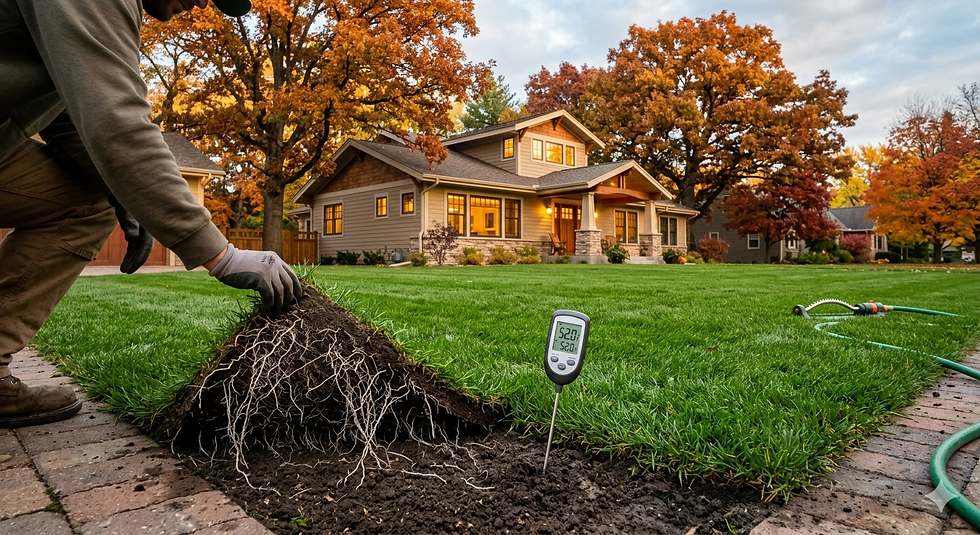
For Rochester homeowners, monitoring soil temperature at four-inch depth using inexpensive soil thermometers removes guesswork from timing decisions. When soil temperatures hold steady in the 50 to 65 degree range, sod will establish actively. Readings below 50 degrees indicate that installation should proceed only with acceptance of dormant sodding risks.
Frequently Asked Questions
What is the latest I can safely install sod in Rochester before winter?
While optimal timing ends by mid-August for six-week establishment, sod can be installed through October and occasionally into November if the ground remains unfrozen
. Success depends on soil temperature remaining above 50 degrees and consistent watering until ground freeze. Later installations carry increasing risk.
How do I know if my late-installed sod has established enough roots for winter?
Gently lift a corner of sod after three to four weeks. Resistance indicates root penetration into soil. If sod lifts easily with no root attachment, it has not established sufficiently. Established sod should also feel firmly anchored when walked upon, without shifting or squishing underfoot.
Should I fertilize sod installed less than six weeks before frost?
No. Avoid nitrogen fertilization on late-installed sod. The grass cannot utilize nutrients in cold soil, and unused fertilizer may leach into groundwater or encourage fungal issues. Wait until spring green-up to apply starter fertilizer.
Can I water new sod too much as temperatures drop?
Yes. While consistent moisture is essential, waterlogged soil in cold conditions promotes root rot and fungal diseases. Water deeply but less frequently as temperatures decline, allowing soil to drain between applications. Ensure proper grading prevents standing water around sod edges.
What if an early frost hits my newly installed sod?
A light frost on established sod causes minimal damage. The grass may brown slightly but will recover. For sod installed within two weeks of frost, cover with breathable fabric or light straw mulch if extreme cold is forecast. Remove covers promptly as temperatures rise to prevent mold development.
How does Rochester's clay soil affect late-season sod establishment?
Clay soil retains moisture longer and warms slower than sandy alternatives, potentially delaying root establishment in late fall. However, clay also holds moisture through winter, reducing desiccation risk for established roots. Ensure proper drainage before installation to prevent waterlogging in clay's dense structure.
Is dormant sodding in late fall better than waiting for spring in Rochester?
Dormant sodding offers advantages including immediate erosion control and avoidance of spring mud conditions. However, it carries higher risk than spring installation. For critical areas where bare soil creates problems, dormant sodding may be justified. For optimal long-term results, spring installation typically proves more reliable.
How much should I water sod installed in late September or October?
Water thoroughly after installation, then maintain soil moisture at approximately one inch per week until ground freeze. Monitor rainfall and supplement as needed. Once soil temperatures drop below 40 degrees consistently, reduce watering as grass enters true dormancy. Never allow sod to enter winter in completely dry soil.
Will sod installed in early September survive Rochester's winter?
Early September installation provides excellent timing for Rochester. With approximately four to five weeks before typical frost dates, sod establishes sufficient roots for winter survival and benefits from fall rainfall and cool temperatures that reduce water stress. This timing represents ideal conditions for cool-season grass establishment.
Should I hire professionals for late-season sod installation?
Professional installation becomes increasingly valuable as the season progresses. Experienced contractors understand soil temperature monitoring, proper watering schedules for declining temperatures, and techniques to maximize establishment in marginal conditions. Their expertise often means the difference between survival and replacement for late installations.
Conclusion
Sod installation timing in Rochester demands respect for the region's climate realities. The six-week rule before first frost provides a reliable guideline, suggesting completion by mid-August for optimal results. Rochester's average October 1 frost date creates a finite window that closes progressively as autumn advances.
However, the calendar serves only as a starting point. Soil temperature, monitored at four-inch depth, provides the definitive guide for whether sod can still establish. As long as soil remains above 50 degrees and unfrozen, installation remains possible, though with diminishing margins for success as temperatures decline.
For Rochester homeowners, the practical choice often involves balancing project urgency against risk tolerance. Early fall installations deliver the best outcomes with minimal stress. Late fall installations require careful management and acceptance of some uncertainty. Spring installations, while delaying gratification, provide the most reliable path when fall windows have closed.
Understanding these dynamics empowers homeowners to make informed decisions that protect their investment and deliver the lush, established lawns they envision. Whether choosing optimal fall timing, managing late-season risks, or planning for spring, knowledge of Rochester's specific freeze patterns and soil conditions ensures sod projects succeed.
Ready to install sod with confidence in Rochester's challenging climate? Rochester Sod & Hydroseed provides expert guidance on timing, installation techniques, and post-installation care specifically tailored to southeastern Minnesota's conditions. Our locally-grown sod is harvested fresh and adapted to survive Zone 4 winters when installed correctly. Visit https://www.rochestersodandhydroseed.com/ to schedule your consultation and ensure your sod project is timed for maximum success.


Comments