Sod Installation and Watering Schedule in Rochester MN Summer
- 2 days ago
- 6 min read
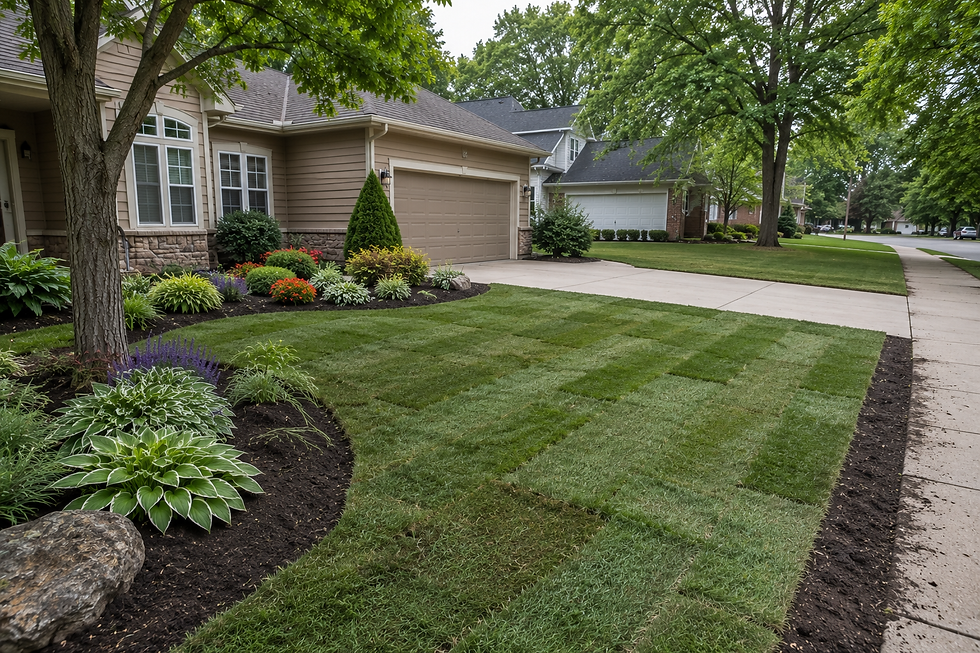
Installing sod during summer is one of the fastest ways to create a finished, attractive lawn in Rochester, Minnesota. Unlike seed or hydroseed, sod provides immediate green coverage and begins protecting exposed soil as soon as it is installed. However, summer heat, direct sunlight, drying winds, and inconsistent rainfall make proper irrigation especially important during the establishment period.
Following the right sod installation and watering schedule in Rochester MN summer helps new turf develop strong roots while preventing dry seams, brown patches, standing water, and shallow rooting. The first few weeks after installation have the greatest effect on the lawn’s long-term health.
With careful soil preparation, professional installation, and consistent watering, summer sod can establish successfully throughout southeastern Minnesota.
Sod Installation and Watering Schedule in Rochester MN Summer
A successful sod installation and watering schedule in Rochester MN summer begins before the first roll is placed. The soil must be graded, loosened, and slightly moist so the sod can make complete contact with the prepared surface.
After installation, the watering schedule should change gradually as roots begin growing into the soil. The objective is to maintain dependable moisture without keeping the lawn continuously saturated.
A typical establishment schedule includes:
Immediate watering after installation
Frequent irrigation during the first week
Gradually reduced watering during weeks two and three
Deeper, less frequent irrigation after rooting
Adjustments for heat, shade, rainfall, and soil type
Homeowners should evaluate the actual moisture beneath the sod rather than relying entirely on a preset irrigation timer.
Preparing the Yard Before Sod Installation
Proper preparation supports faster rooting and more consistent moisture throughout the lawn.
Professional site preparation may include:
Removing existing turf and weeds
Clearing rocks, roots, and construction debris
Correcting drainage problems
Adding screened topsoil where necessary
Loosening compacted soil
Completing the final grade
Moistening the soil before installation
The finished grade should direct water away from the home while eliminating low areas where water may collect. Sod installed over compacted or poorly graded soil may struggle to root, even with frequent watering.
Water Immediately After Installation
Fresh sod should be watered as soon as practical after it is placed.
The initial watering should thoroughly moisten:
The sod layer
The soil attached to the sod
The prepared soil underneath
Lift a corner of the sod after watering. The soil beneath it should feel evenly damp but not muddy.
On larger projects, irrigation may need to begin while installation is still underway so completed sections do not dry out in the summer sun.
Watering Schedule for the First Week
The first seven days are the most moisture-sensitive period.
During typical Rochester summer conditions, new sod may require two to four watering cycles per day. Each cycle should be long enough to keep the sod and underlying soil moist without creating puddles or runoff.
Areas near sidewalks, driveways, retaining walls, and south-facing slopes often dry faster because of reflected heat. These sections may require additional watering.
Sod edges and corners also need close attention because they are usually the first areas to dry out.
Watering During the Second Week
By the second week, roots should begin attaching to the soil.
Homeowners can usually reduce the number of daily watering cycles while increasing the length of each session. A typical second-week schedule may involve one or two thorough watering cycles per day.
Check root development by gently lifting a corner of the sod. If it resists, roots have started growing into the soil.
Continue monitoring exposed edges, slopes, sunny sections, and areas with limited sprinkler coverage.
Watering During Weeks Three and Four
During weeks three and four, the lawn should begin transitioning from frequent surface watering to deeper irrigation.
Watering may be reduced to every one to three days. The exact schedule depends on rainfall, soil type, temperature, sun exposure, and root development.
Deeper watering encourages roots to grow farther into the soil, improving drought resistance and long-term turf health.
Avoid continuing frequent shallow watering after the sod has rooted. This can encourage roots to remain near the surface, making the lawn more vulnerable during future dry periods.
Watering After the Sod Is Established
Once the sod is firmly rooted, the lawn should transition to a normal maintenance schedule.
Most established lawns require approximately one to 1.5 inches of water per week, including rainfall.
Rather than watering lightly every day, established turf generally performs better with deeper, less frequent irrigation. This supports stronger roots and helps the lawn tolerate Rochester’s summer heat.
Best Time of Day to Water
Early morning is usually the best time to water new sod.
An effective watering window is approximately 4:00 a.m. to 9:00 a.m. Morning irrigation reduces evaporation and allows the grass blades to dry before nighttime.
During unusually hot weather, a brief afternoon watering may be necessary to keep new sod from drying. Heavy evening irrigation should generally be avoided because extended moisture may increase the risk of fungal disease.
Rochester Summer Climate Considerations
Rochester summers can create rapidly changing lawn conditions.
Heat and Sunlight
Temperatures in the upper 80s or 90s can dry new sod quickly, especially in areas receiving full afternoon sun.
Drying Winds
Open subdivisions and exposed properties may lose moisture faster than sheltered lawns.
Summer Thunderstorms
Heavy rain may temporarily replace irrigation, but rainfall should be measured rather than assumed. A quick storm may wet the surface without providing enough moisture beneath the sod.
Clay or Compacted Soil
Heavy soil may retain water longer and require shorter or less frequent irrigation cycles.
Sloped Properties
Water may run off slopes before penetrating the soil. Shorter repeated cycles may work better than one long watering session.
Signs New Sod Needs More Water
Common signs of insufficient moisture include:
Blue-gray grass color
Curling or folded blades
Dry or shrinking seams
Brown edges
Soil that feels dry beneath the sod
Footprints that remain visible
These symptoms should be addressed promptly. New sod can deteriorate quickly during hot weather if moisture is not restored.
Signs You May Be Overwatering
Too much water can also delay establishment.
Overwatering may cause:
Standing water
Constantly muddy soil
Soft or unstable sod
Yellowing grass
Fungal growth
Shallow root development
The lawn should remain moist during establishment, but it should not stay continuously saturated.
When to Mow New Sod
Wait until the grass reaches approximately 3.5 to 4 inches tall before mowing. The sod should also resist gentle lifting, indicating that roots have begun attaching to the soil.
Use a lightweight push mower with a sharp blade and avoid removing more than one-third of the grass height. Do not mow when the soil is wet enough to create ruts or shift the sod pieces.
Average Sod Installation Costs in Rochester MN
The cost of sod installation depends on the lawn’s size, site condition, accessibility, and preparation requirements.
Typical installed pricing may range from approximately $1.00 to $2.50 per square foot.
Project Type | Estimated Cost |
Small lawn | $2,000–$5,000 |
Medium property | $5,000–$10,000 |
Large lawn | $10,000–$20,000+ |
Additional expenses may include:
Existing turf removal
Grading
Screened topsoil
Drainage corrections
Irrigation adjustments
Difficult site access
A property assessment provides the most accurate estimate.
Common Summer Sod Care Mistakes
Homeowners can improve establishment by avoiding several common errors:
Delaying the first watering
Watering every area for the same amount of time
Allowing seams and edges to dry
Walking on the lawn too early
Mowing before the sod roots
Cutting the grass too short
Ignoring rainfall or extreme heat
Continuing frequent shallow watering after establishment
The watering schedule should evolve as the root system develops.
Frequently Asked Questions
1. How often should new sod be watered during summer in Rochester?
Most new sod requires two to four watering cycles daily during the first week, followed by gradually reduced frequency as roots establish.
2. How can I tell whether water is reaching the soil?
Lift a corner of the sod and feel the soil beneath it. Both the sod and underlying soil should be evenly moist.
3. Can new sod be overwatered?
Yes. Constant saturation can cause yellowing, disease, unstable soil, and shallow rooting.
4. When can I walk on newly installed sod?
Limit traffic for approximately two to three weeks or until the sod resists gentle lifting.
5. When can I mow new sod?
Mow when the grass reaches around 3.5 to 4 inches and the sod has rooted firmly.
6. Does rainfall replace scheduled watering?
It can, but the amount should be measured. Light rain may not penetrate deeply enough to replace irrigation.
7. Why are the sod edges turning brown?
Edges often dry faster because they receive more air and heat exposure or less sprinkler coverage.
8. Is summer a good time to install sod?
Yes. Summer sod installation can be successful when immediate and consistent irrigation is available.
9. What type of sod works well in Rochester?
Kentucky bluegrass and cool-season blends are common because they tolerate Minnesota winters and provide dense residential turf.
10. How long does sod take to root?
New sod commonly begins rooting within 10 to 21 days, although weather, soil conditions, and maintenance affect the timeline.
Contact Our Rochester MN Sod Installation Team
Following the right sod installation and watering schedule in Rochester MN summer protects your investment during the lawn’s most vulnerable stage. Proper soil preparation, immediate watering, careful moisture monitoring, and a gradual transition to deeper irrigation help new sod develop a strong, resilient root system.
Our Rochester sod and hydroseeding specialists provide professional sod installation, hydroseeding, grading, lawn restoration, erosion control, and site preparation services throughout southeastern Minnesota.
Whether you are replacing a damaged lawn, completing a new construction project, or improving your property’s curb appeal, our experienced team can develop a solution suited to your yard and summer watering conditions.
Contact us today to schedule a consultation and receive a customized estimate.


Comments